
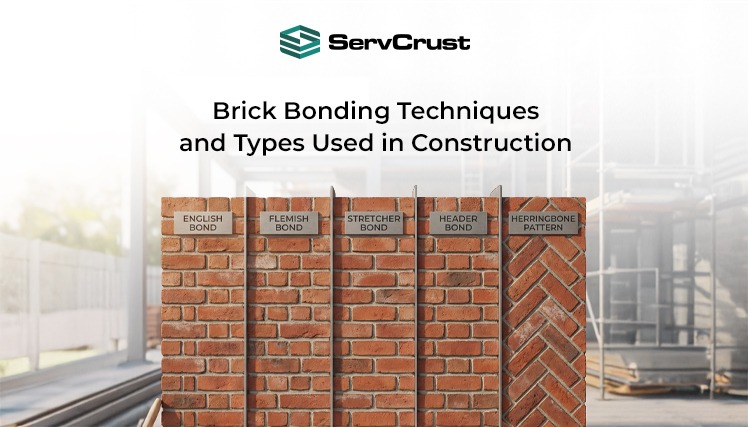
Brick bonding technique decide how bricks are arranged and locked together in a wall. The right bond improves strength, keeps walls stable, and also changes how a building looks from the outside. Whether it is a house wall or a larger structure, understanding bonding helps builders, buyers, and students make better decisions about bricks, building materials, and construction quality.
Why Brick Bonding Techniques Matter in Construction
Brick bonding techniques are not only about design. They control how loads move through a wall and how long the structure lasts. In many construction projects, the same bricks can give different results depending on how they are bonded.
When a bond brickwork is planned well, walls become stronger, cracks reduce, and the finish looks clean. Today, both traditional brick bonds and modern brickwork patterns are used based on the building type, material supply, and structural needs.
What Are Brick Bonding Techniques in Construction?
Brick bonding techniques explain how bricks are placed in rows and layers so that joints do not align vertically. This simple idea helps walls behave like a single strong unit instead of separate pieces.
In brick wall bonding types, each brick overlaps the one below it. This overlap spreads pressure across the wall. Good brick bonding in construction improves stability, while poor bonding can weaken even high-quality building materials bricks.
Builders choose from different types of brick bonds depending on whether the wall carries weight or is only for partitioning.
Why Brick Bonding for Strength and Aesthetics Is Important
Brick Bonding for Strength
The main job of structural brick bonding is to transfer load evenly. When bricks interlock correctly, pressure moves across multiple layers instead of concentrating in one place.
Load bearing brick bonds are especially important in walls that support slabs or roofs. Even small alignment changes can affect durability. That is why brick suppliers for construction and material supplier for construction projects focus on uniform brick size and consistent building material supply.
Brick Bonding for Aesthetics
Brick bonding design also shapes how a building looks. Some brickwork patterns create a modern, straight finish, while others give a classic and textured appearance.
Traditional brick bonds are often seen in older structures because they balance strength and visual appeal. Modern brick bonding patterns, on the other hand, suit framed buildings where appearance and speed matter.
Types of Brick Bonds Used in Construction
Stretcher Bond Brickwork
Stretcher bond brickwork shows the longer side of each brick on the wall surface. It is one of the most common brick wall bonding types because it is simple and quick to build.
This bond is widely used in modern houses and framed structures. While it offers a neat appearance, it may need support from columns or reinforcement when used in structural walls. Builders prefer it when construction material supply needs to stay efficient and fast.
Header Bond Brickwork
Header bond brickwork places the shorter face of bricks outward. Because bricks extend deeper into the wall, this bond gives better thickness connection.
It is often used where strong interlocking is required. However, it consumes more bricks compared to other brickwork patterns. Construction material suppliers usually recommend careful planning before choosing this bond.
English Bond Brickwork
English bond brickwork alternates rows of stretchers and headers. Many builders consider it one of the best brick bonds for load bearing walls because it balances strength and stability.
This bond has been used for years in structural brick bonding projects. It also creates a balanced visual pattern that suits both residential and commercial buildings.
Comparing Brick Wall Bonding Types
Each bond serves a different purpose. Stretcher bond is simple and economical. Header bond increases wall thickness connection. English bond combines both benefits and is known for strength.
Choosing between these types of brick bonds depends on the building height, structural needs, and the availability of construction materials bricks. Good planning helps avoid extra cost and reduces wastage during construction material supply.
How Brick Bonding Affects Wall Strength
When brick bonding techniques are selected carefully, walls distribute weight evenly. Poor bonding can cause cracks, uneven settlement, or weak joints.
Even if high-quality brick wall construction materials are used, incorrect bonding reduces performance. Builders often focus on alignment, mortar consistency, and joint spacing to ensure durability.
Which Brick Bond Is Best for Houses?
In many residential buildings, stretcher bond brickwork is common because houses today often use framed structures. For walls that carry more load, English bond brickwork provides better stability.
The choice also depends on budget, design preference, and building materials suppliers who provide consistent brick sizes. A reliable construction material suppliers network helps maintain uniformity across the entire wall.
Common Brick Bonding Mistakes to Avoid
One common issue is choosing a bond only for appearance without thinking about strength. Another mistake is ignoring joint alignment or mixing different brick sizes.
Planning brick bonding techniques at the design stage avoids these problems. Builders who understand both modern brick bonding patterns and traditional brick bonds create walls that look better and last longer.
Modern vs Traditional Brickwork Patterns
Traditional brick bonds like English bond focus more on structural performance. Modern brickwork patterns are often chosen for speed and design flexibility.
Today’s construction combines both approaches. Engineers look at structural needs first, while architects consider the visual outcome. The result is a balance between strength and aesthetics.
Conclusion
Brick bonding techniques play a key role in how walls perform and how buildings look. From stretcher bond brickwork used in modern homes to English bond brickwork known for strength, every pattern serves a purpose. When bonding decisions match structural needs and reliable construction material supply, the result is a wall that is both strong and visually appealing. Understanding these basics helps consumers, builders, students, and partners make better choices in construction materials and building design.
FAQs:
1. What are the different types of brick bonds?
Common brick wall bonding types are stretcher bond, header bond, and English bond. Each offers a different mix of strength and appearance.
2. Which brick bond is strongest?
English bond is widely considered strong because it alternates headers and stretchers, improving load distribution.
3. How does brick bonding affect wall strength?
Bonding spreads pressure across bricks and prevents vertical cracks, making the wall act like one solid unit.
4. Which brick bond is best for house?
Stretcher bond is common in modern houses, while English bond works well where stronger load support is needed.
5. Why do builders focus on brick bonding design?
Good bonding design improves durability, reduces maintenance, and enhances the visual finish of buildings.